
Technical Insights

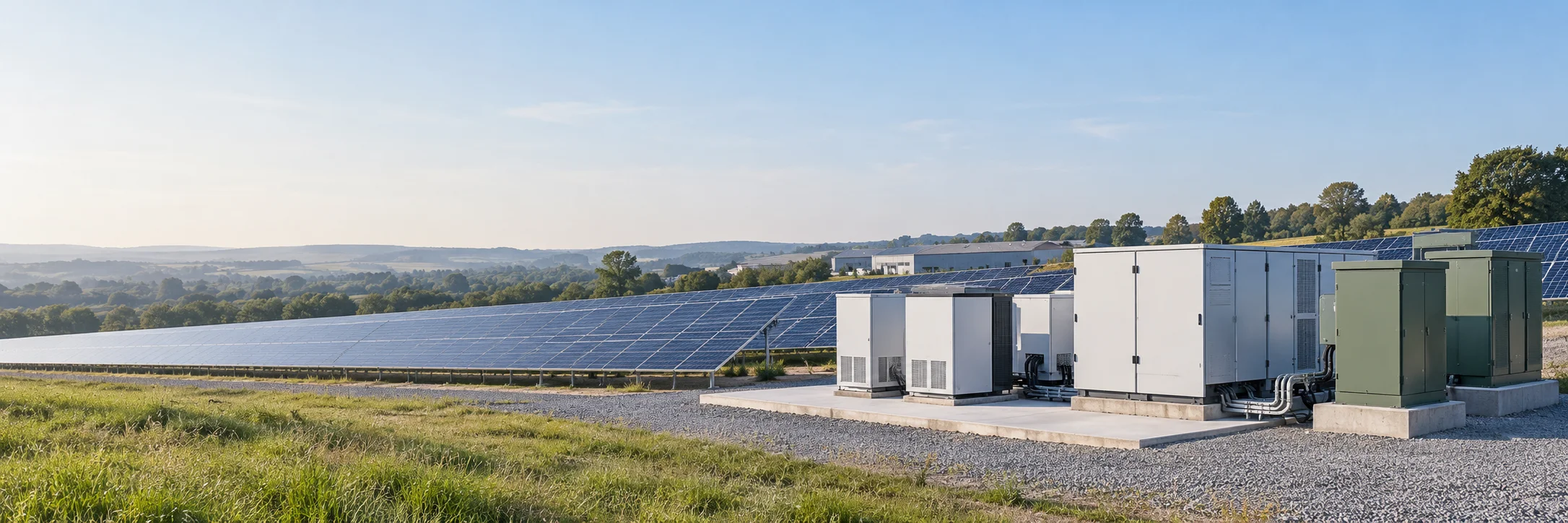
AI-generated illustration of solar panels with energy storage and power conversion equipment

Insights for power conversion

Technical articles, application notes and practical perspectives from Bangzhao.

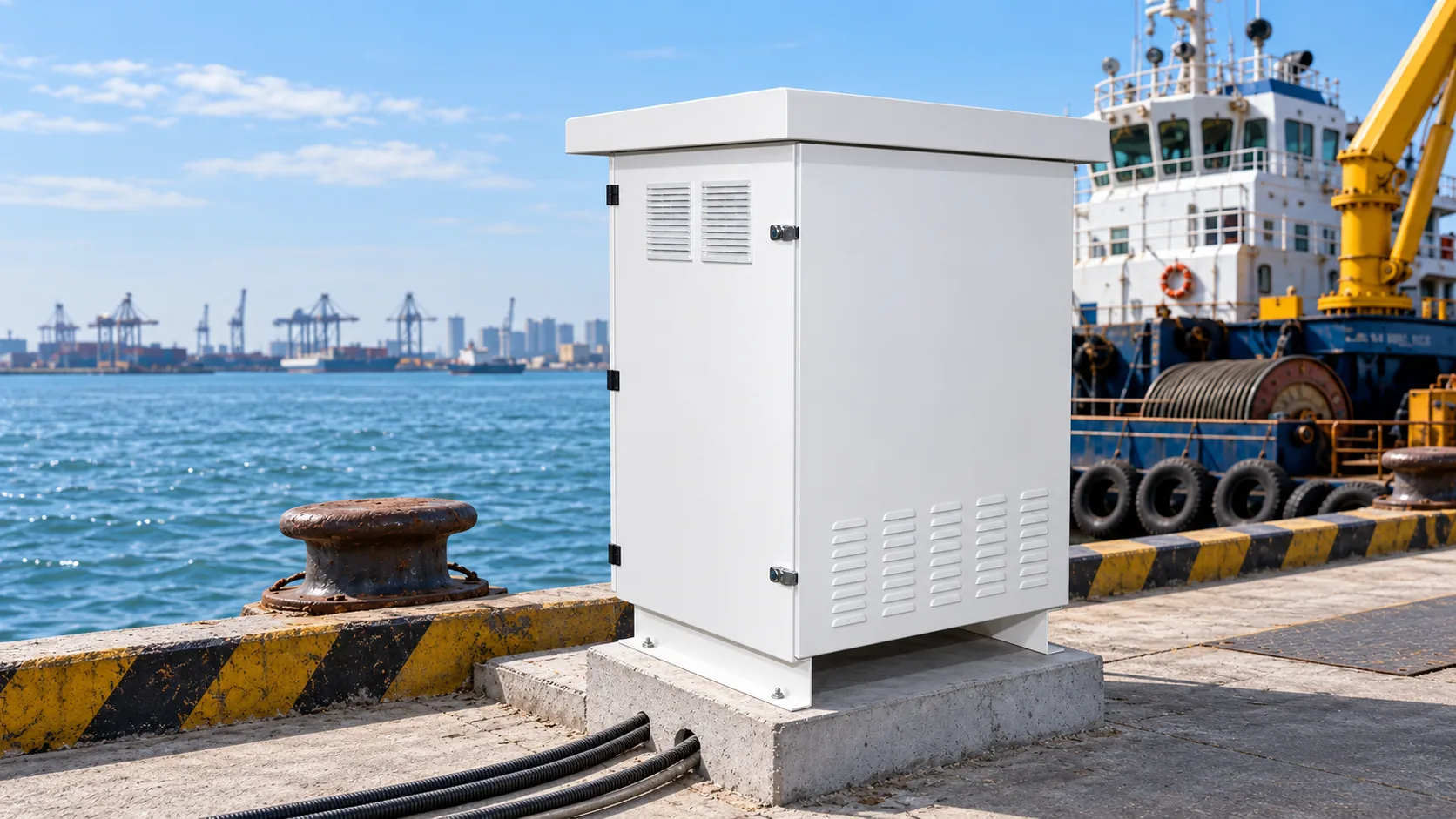
AI-generated illustration of a shore power converter beside a vessel
Technical Insights

Three-Phase 380V to Single-Phase 220V Converter Supports Marine Patrol Vessel Electrification

Solving the Compatibility Challenge Between Three-Phase Supply and Single-Phase Loads When only a three-phase industrial supply is available but the load requires single-phase 220V power, an additional conversion system is normally required. Simply taking power from one phase may expose the load to voltage fluctuations, phase imbalance, harmonic interference and motor-starting surges. These factors can lead to unstable operation of precision equipment, false alarms in control systems or reduced starting performance of single-phase motors. The Three-Phase 380V to Single-Phase 220V Converter uses an independent power-conversion architecture to rectify the incoming power and then invert it into standard single-phase AC output. Compared with simple phase distribution, this approach is designed to improve output waveform quality and establish a more stable single-phase power environment. SVPWM Technology Helps Improve Output Waveform Quality The converter uses SVPWM, or Space Vector Pulse Width Modulation, to precisely control the inverter bridge and maintain a stable sinusoidal output waveform. In practical applications, pure sine wave output can help reduce interference affecting precision instruments, controllers, communication equipment and motor-driven loads. According to the technical information provided for this product, the output is single-phase 220V AC and the total harmonic distortion, or THD, is below 3%. Actual performance should be confirmed against the product test report, site conditions and the applicable power-quality requirements. By optimizing the output waveform, the converter can provide smoother operating conditions for single-phase loads that require high-quality power, helping reduce equipment abnormalities caused by waveform distortion and voltage fluctuations. Supporting Air-Conditioning Power for Marine Patrol Vessel Electrification During the electrification upgrade of a marine patrol vessel, the ship air-conditioning system typically requires a stable single-phase AC supply. When the vessel is berthed, shore power provides external electricity, but the power format available at the dock or shore-side distribution facility may not directly match the input requirements of the onboard air-conditioning system. The three-phase-to-single-phase converter can be installed in a shore-power equipment room, marine electrical distribution compartment or supporting system for an electrification retrofit. It converts three-phase 380V industrial power into single-phase 220V AC power for ship air-conditioning systems, lighting, control systems and other single-phase auxiliary loads. With properly designed input and output protection, grounding and distribution arrangements, the system can improve power compatibility after shore-power connection and support vessel berthing operations, equipment maintenance and long-term operation. Technical Features at a Glance Suitable for a Range of High-Quality Single-Phase Power Applications In addition to ship air-conditioning power systems, the Three-Phase 380V to Single-Phase 220V Converter can be used in the following applications: Key Considerations for System Selection and Installation For an actual project, the converter's rated power should be selected according to the continuous load power, starting power and number of loads operating simultaneously. For air-conditioning compressors, single-phase motors and inductive loads, starting current and transient power demand should also be considered. The following items should be confirmed during project implementation: For marine and offshore applications, the complete system should be designed in accordance with applicable marine electrical requirements, shore-power interface specifications and site safety procedures. A direct replacement decision should not be made based only on the parameters of a single device. Conclusion The Three-Phase 380V to Single-Phase 220V Converter provides a reliable power-conversion link between three-phase industrial supplies and high-quality single-phase loads. Through rectification, inversion and SVPWM space vector modulation, the system can provide stable single-phase 220V pure sine wave AC power for air-conditioning systems, control systems, precision instruments and single-phase motors used in marine patrol vessel electrification projects. As marine electrification, port shore power and industrial equipment modernization continue to develop, demand for stable, clean and controllable single-phase power is expected to increase. Selecting and designing the system according to the vessel, dock, site conditions and load characteristics can help improve power quality and equipment operating reliability.

Read article
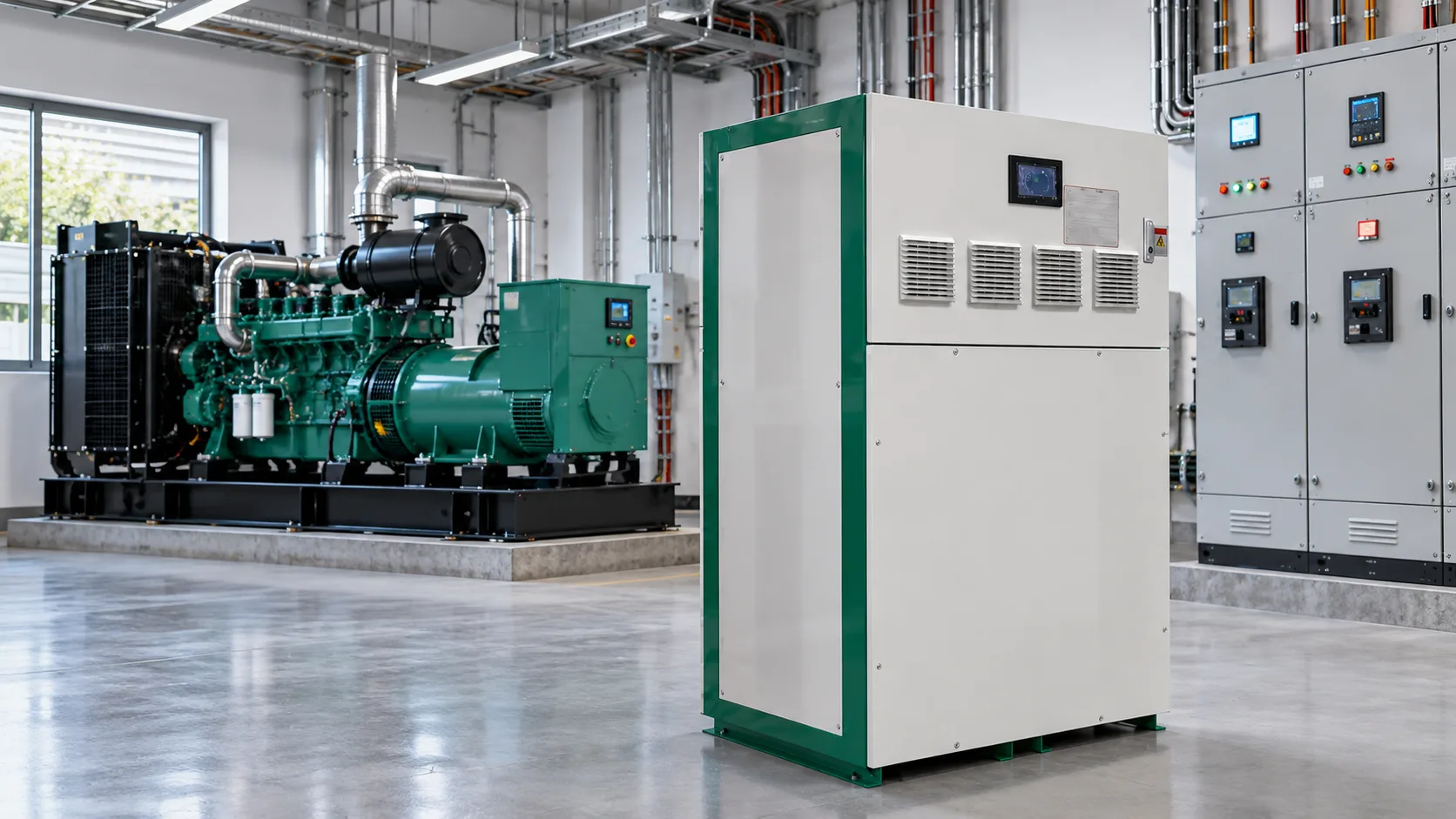
AI-generated illustration of a lithium battery cabinet with a generator
Technical Insights

How Does a Lithium-Ion Battery System Start a Generator Set Using Dry Contacts?

What is a dry contact signal? A dry contact, also known as a passive contact, is a switching signal that does not actively output a voltage. It typically transmits “start” or “stop” commands to external devices by closing or opening relay contacts. Unlike control signals with voltage output, a dry contact generally does not supply power to the generator set itself but functions as an independent switch. Upon receiving a signal that the contacts have closed, the generator controller starts the engine according to its own control logic; when the contacts open, the generator executes a shutdown or cool-down procedure. Since dry contacts do not rely on specific communication protocols, they generally offer good compatibility between lithium-ion battery systems and generator sets of different brands and models. However, before actual wiring, it is still necessary to confirm the interface definitions, contact capacity, and control logic of both systems. How does a lithium-ion battery system determine whether to start the generator? Lithium-ion battery systems typically use a BMS, EMS, or inverter controller to monitor battery status and load conditions in real time. Common startup conditions include: Battery SOC falls below the set startup threshold; Battery voltage falls below the set value; On-site load power continues to rise; Insufficient PV generation or continuous lack of sunlight; Entry into standby or emergency power mode; The system detects a need for auxiliary power from an external source. For example, when the battery SOC drops to the preset startup value, the EMS can control an internal relay to close the dry contact. Upon receiving the remote startup signal, the generator set automatically completes preheating, ignition, and speed ramp-up, and begins supplying power to the load or charging the energy storage battery. Automatic Startup Process A typical dry-contact startup process usually includes the following stEPS. Step 1: Continuous System Monitoring The lithium-ion battery system collects real-time data on battery voltage, current, SOC, temperature, and load power. The controller uses preset parameters to determine whether the generator needs to be started. Step 2: Meeting Start Conditions When the battery charge level falls below the start threshold, or when the load consistently exceeds the system’s power supply capacity, the EMS sends a control command to the dry-contact relay. Step 3: Dry-Contact Closure The relay contacts close, forming a remote start circuit recognized by the generator set. At this point, the lithium-ion battery system outputs a switching signal rather than directly driving the generator motor. Step 4: Generator Set Startup Upon receiving the signal, the generator controller starts the unit according to its own program. Some generator sets also perform actions such as preheating, lubrication, restart attempts after a failed start, and operational status checks. Step 5: Energy Storage System Recovery Once the generator is running, it can supply power to the on-site load and recharge the lithium-ion battery via charging equipment or a Hybrid Inverter. As the battery’s SOC gradually recovers, the system enters standby or reserve mode. How Does the Generator Shut Down Automatically? To avoid frequent generator start-stops, the system typically does not shut down immediately when the battery has just recovered a small amount of charge; instead, it sets a shutdown threshold and a delay time. When the battery’s SOC reaches the set shutdown value and the load is within the permissible range, the EMS deactivates the dry contact signal. Upon receiving the shutdown command, the generator set typically does not shut down immediately; instead, it first enters a no-load operation or cooling phase and automatically shuts down only after the engine temperature and operating status meet the requirements. This control method—characterized by a “low start threshold and high stop threshold”—creates a reasonable hysteresis range, reducing frequent generator starts and stops while lowering fuel consumption and mechanical wear. Key Advantages of Dry Contact Control 1. Simple Wiring Dry contacts primarily transmit control status through the closing and opening of contacts, eliminating the need for complex communication protocols and making on-site installation and commissioning relatively convenient. 2. Strong Compatibility As long as the generator set is equipped with a remote start interface and the interface logic matches that of the lithium-ion battery system, automatic interlocking can be achieved. 3. Reduced Need for Manual Monitoring In applications such as remote areas, unmanned power rooms, ships, and RVs, the system can automatically start and stop the generator based on the battery status, reducing the frequency of manual inspections. 4. Improved Power Supply Continuity When photovoltaic or other renewable energy sources are insufficient, the generator set can promptly take over to provide backup power to the load, reducing the risk of power outages caused by low battery levels. 5. Easy System Expansion Dry contacts can be used in conjunction with EMS, BMS, inverters, automatic transfer switches, and generator controllers to build a multi-energy coordinated power supply system. What Should Be Considered During Installation and Commissioning? Although the control principle of dry contacts is relatively simple, the following issues still require special attention in practical applications. First, the remote start method for the generator set must be confirmed. Some units require closed contacts to start, while others use open contacts; therefore, the control logic cannot be directly applied.

Read article
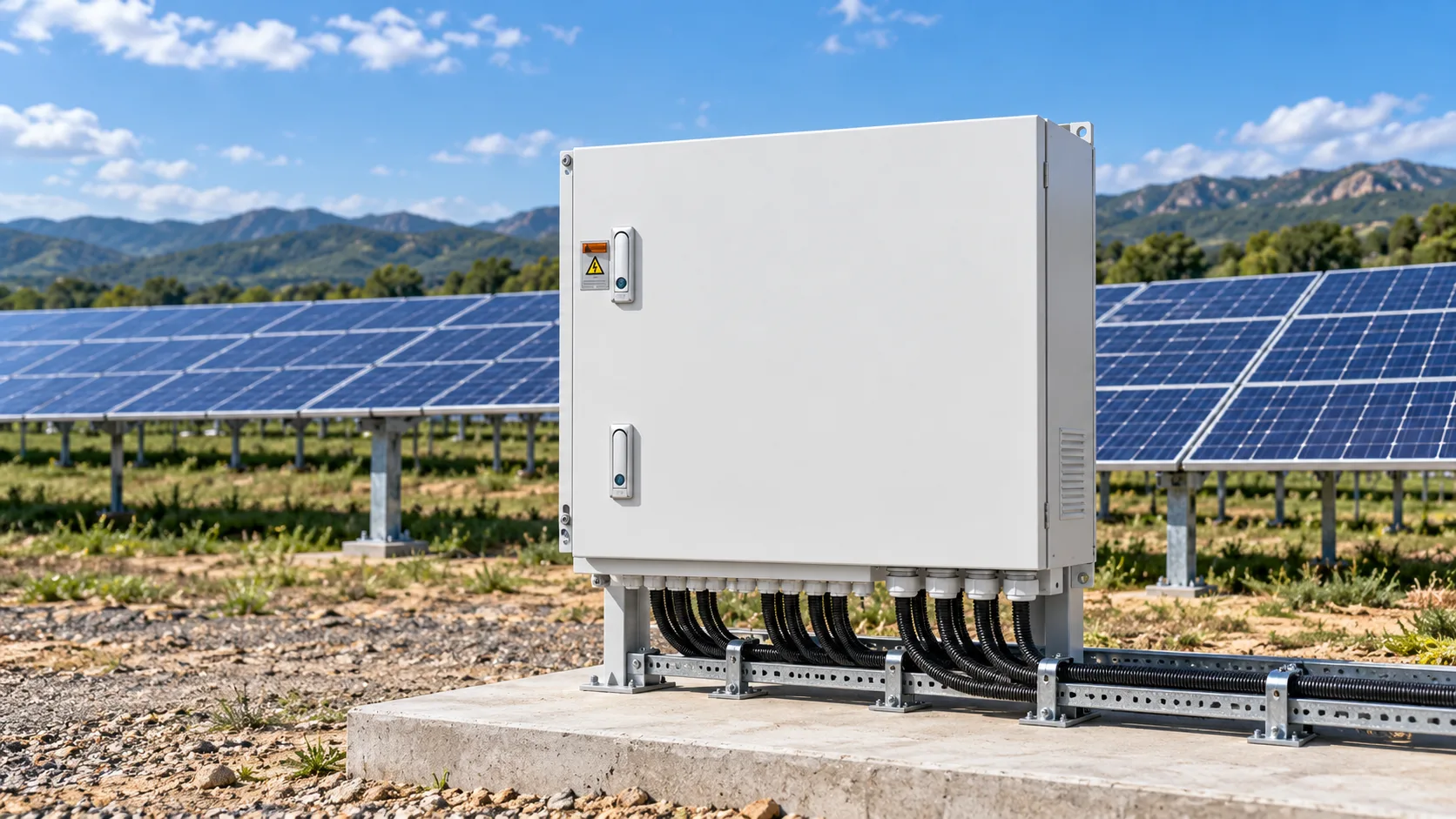
AI-generated illustration of a PV combiner box in a solar field
Technical Insights

PV Combiner Box Enhances Safety and Thermal Management for Stable Solar Power Collection

A PV combiner box designed for photovoltaic DC-side applications is attracting attention for its practical configuration and protection features. Supporting 1–30 PV string inputs, the product can provide centralized connection and organized combining for different PV array sizes, offering a clearer DC-side connection solution for rooftop solar systems, ground-mounted PV plants, and other solar power generation applications. Flexible Multi-String Input for Solar Array Integration Different solar projects vary in module quantity, array layout, and system scale. As a result, they have different requirements for the number of inputs and wiring configuration of the combiner equipment. This PV combiner box supports a range of 1–30 PV string inputs, helping accommodate different solar array connection requirements. By combining multiple PV strings in a centralized enclosure, the system can reduce the management complexity associated with dispersed DC-side wiring. It also facilitates equipment installation, cable inspection, troubleshooting, and routine maintenance. For rooftop and ground-mounted solar applications, centralized string combining can help optimize the layout of DC-side equipment. High-Voltage, High-Temperature Silicone Cable for Outdoor Operation Solar systems operate outdoors for extended periods, while DC-side cables are exposed to sunlight, temperature variations, and long-term operating conditions. The product uses photovoltaic-specific high-voltage, high-temperature silicone cable, designed for compatibility with solar power applications and long-term service requirements. The use of dedicated photovoltaic cable helps improve the organization and consistency of internal wiring connections. It also helps reduce cable-management pressure during long-term operation, providing a stable connection foundation for PV string inputs and DC power collection. Multiple DC Protection Devices for Safer Operation The safety configuration of a PV combiner box directly affects the reliability of the DC side of a solar array. The product is equipped with a DC surge protection module, reverse-polarity protection module, DC fuses, and a DC circuit breaker, creating a multi-layer protection arrangement for lightning surges, reverse-current risks, and line overcurrent conditions. The DC surge protection module helps improve protection against lightning-related surges on the DC side. The reverse-polarity protection module helps reduce risks associated with reverse connection or reverse current. DC fuses and the DC circuit breaker provide overcurrent protection and facilitate necessary circuit isolation during operation and maintenance. The coordinated configuration of these protection devices helps improve the safety of solar system operation and servicing. Compact Structure and IP54 Protection For distributed and outdoor solar projects, installation space, environmental adaptability, and maintenance convenience are important factors. The Pv Combiner Box adopts a compact structural design. While accommodating multiple PV string inputs and protection components, it helps reduce the space required for equipment installation. The product provides an IP65 protection level, offering corresponding protection against dust ingress and water splashes for internal components. For rooftop solar arrays and ground-mounted PV plants, the compact structure and protective design can help the equipment adapt to practical installation environments. The specific installation method and operating conditions should be confirmed according to the project site and technical requirements. PVC Protection Plates for Exposed Areas PVC protection plates are used to cover and protect exposed areas inside the enclosure. These plates help provide separation and shielding for relevant sections, reduce the risk of accidental contact, and give the internal arrangement a cleaner and more organized appearance. This design also improves visual organization inside the equipment and helps installation and maintenance personnel identify and manage internal components more easily, creating a clearer working environment for routine solar system servicing. Blackened Large Heat Sink for Long-Term Thermal Performance During long-term operation, internal protection devices and wiring in a PV combiner box generate a certain amount of heat. Thermal management can affect operating stability and the service life of related modules. The product uses a large heat sink and a blackening process to enhance the durability of the thermal-management structure. According to the product design description, the blackened heat-sink finish can retain its color for 20 years while supporting long-term heat-dissipation reliability. The large heat sink, combined with the structural design, provides a stable thermal-management foundation and helps extend the service life of related modules. Suitable for Multiple Solar Power Generation Scenarios With multi-string input capability, dedicated photovoltaic cable, multiple DC protection devices, compact construction, and thermal-management design, the PV combiner box can be used in a range of solar DC-side applications, including: The specific product configuration, number of PV strings, cable specifications, and installation plan should be confirmed according to the PV module layout, system design, and site environment. Conclusion: Efficient Combining for More Stable and Reliable Solar Energy From 1–30 PV string inputs and high-voltage, high-temperature silicone cable to multiple DC protection devices, IP54 protection, PVC protection plates, and a blackened large heat sink, this PV combiner box is designed around the key requirements of DC-side connection, safety, and long-term operation in solar power systems. As solar plants continue to develop toward greater efficiency, centralized management, and higher reliability, stable DC collection equipment will continue to play an important role. Through organized string connection, comprehensive protection, and reliable thermal management, a PV combiner box can provide stable DC-side support for solar power generation systems. Efficient combining for more stable and reliable solar energy.

Read article

LET’S TALK ABOUT YOUR APPLICATION

Turn technical questions into practical solutions.

Share your power requirements and operating environment with our team.

Send Your Inquiry

Share your power requirements and application. Our team will help you discuss a suitable configuration.

Bangzhao Inquiry